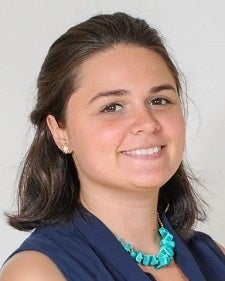
Life as a Pharmacy Resident at Bassett
A Day in the Life of a Pharmacy Resident at Bassett
Learn what a typical day as a pharmacist at Bassett can look like across a variety of different settings you would rotate through as a resident.
A Day in the Life:
Ambulatory Care Pharmacotherapy E-Consult
The pharmacotherapy e-consult service gives physicians an "on-demand" clinical pharmacist — a readily available source of expert pharmacotherapy knowledge to help optimize medication regimens for their patients. On any given day, there are always new e-consults waiting in the queue. These tend to be complex, multi-layered questions that span a wide variety of topics. A few examples: designing a benzodiazepine taper for a high-risk patient, researching a drug-information request for an unusual clinical scenario, or investigating a suspected adverse drug reaction and recommending alternative management. Working through these consults lets you dive deep into a broad range of subjects, reinforcing core therapeutic concepts while providing an organic, never-ending source of learning.
When working up an e-consult, developing your own workflow is vital. The first thing you read with every consult is the provider's written request — the specific thing they are asking your help with. It might be a single word, one sentence, or a short paragraph. Before going any further, the next thing I always ask myself is: what is the "real question"? Sometimes a request only seems straightforward. The written question may be "what is the renal dose for this drug?" when the real question is "is this drug appropriate at all?"
That is the heart of this service. The ambulatory e-consults will constantly give you something new to think about, surface questions you never considered, and — as a graduate pharmacist — offer you the chance to strengthen your foundational pharmacotherapy knowledge while building the lifelong learning skills that define an expert clinician.
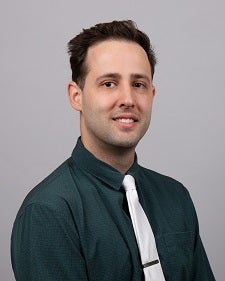
Mitchell Miller, PharmD, BCACP
A Day in the Life:
Ambulatory Order Intervention Service
The Ambulatory Order Intervention service is one of the more distinctive parts of our program — and a great example of pharmacists practicing at the very top of their license. Each day, you'll work a multi-step order transmittal (MSOT) queue in Epic, reviewing high-cost medication orders and, where clinically appropriate, converting them to preferred, lower-cost alternatives aligned with our Health Plan formulary.
At first glance this may sound purely administrative, but the clinical reasoning runs deep. Every intervention starts with a question: is the alternative truly therapeutically equivalent for this patient? You'll weigh formulation differences, pharmacokinetics, indication nuances, prior therapies, and patient-specific factors before making a recommendation. Some conversions are quick; others require you to reach out to the prescriber, build a clinical case, and document your rationale.
What makes this experience rewarding is seeing your work create value on two fronts. Clinically, you're ensuring patients receive safe, effective, evidence-based, and uninterrupted therapy. Financially, your interventions reduce medication spend in a way that is tangible and measurable—value that, quite literally, helps sustain the residency program itself. It's a daily reminder that thoughtful pharmacy practice and responsible stewardship go hand in hand.
Mitchell Miller, PharmD, BCACP
A Day in the Life:
Anticoagulation Management Service
Each day in the anticoagulation clinic offers a unique opportunity to provide both direct and indirect patient care. The bulk of direct patient care occurs in the morning, with the nurse and pharmacist(s) partnering to care for chronic warfarin patients as well as those newly initiated on therapy. Patients are seen in person at the clinic or managed asynchronously. Under a collaborative practice agreement, the pharmacist orders and interprets labs, adjusts medication therapy, and provides patient education. This includes perioperative anticoagulation management for a complex, high-risk patient population.
In addition to collaborative management, the pharmacist provides therapy modification recommendations, such as transitioning patients to or from direct oral anticoagulants (DOACs) and determining appropriate hold durations for patients on DOACs with impaired renal function who are undergoing procedures.
Much of the afternoon is spent completing anticoagulation consults, responding to provider questions, performing inpatient reviews when requested, and carrying out other anticoagulation stewardship activities. The pharmacist is continuously involved in system-wide quality improvement initiatives, including developing standardized best-practice guidance, building and optimizing order sets, participating in educational initiatives, and presenting outcomes at regional and national forums.
Throughout these activities, the pharmacist collaborates with the interprofessional team to optimize evidence-based anticoagulation therapy across all aspects of patient care. Overall, this specialty role fosters pharmacist autonomy, allows pharmacists to practice at the top of their license, and, importantly, facilitates meaningful relationships with healthcare providers and patients alike.

Amanda Winans, PharmD, BCPS, CACP &
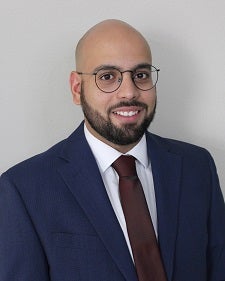
Fady Abdelmalek, PharmD
A Day in the Life:
Oncology Pharmacist
Each day in the Cancer Treatment Center brings new experiences and challenges. Oncology is dynamic; even though there are set regimens to follow, each is unique based on patient specific factors. The day starts at 7:30 to do a second review of the infusion schedule to see if any changes were made. Pharmacy-led huddle occurs before 8:30 where the pharmacist discusses with the nurses where each patient is in treatment, presents any findings, and asks pertinent questions that can affect the patient’s next treatment. Throughout the day, the pharmacist verifies chemotherapy, supportive care, and immunotherapy orders, oversees compounding with compliance to USP <797> and <800> standards, and is asked many drug information and regimen questions nurses, practitioners, and patient care coordinators.
The oncology pharmacist has great learning opportunities when working up new patients starting chemotherapy and / or immunotherapy and helping build new treatment plans. These opportunities allow the pharmacist to learn about new regimens and medications as well as suggesting edits to a regimen that are more in line with current guidelines. The work environment at the Cancer Treatment Center is collaborative among all disciplines, and the pharmacy team’s impact is greatly appreciated.
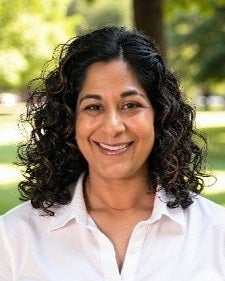
Sindhu Nair, PharmD, BCOP, BCSCP
A Day in the Life:
ICU Pharmacist
No two days in the ICU are ever the same, which is one of the things I love most about being a critical care pharmacist. My day starts with reviewing patient charts, labs, cultures, and any significant overnight events.
I round with a multidisciplinary team comprised of physicians, medical residents, nurses, respiratory therapists, and other members of the healthcare team. I provide recommendations on antibiotic therapy, sedation, pain management, anticoagulation, vasopressor support, and medication dosing.
The rest of my day is often unpredictable. I may be responding to emergencies, troubleshooting complex medication issues, answering clinical questions, or helping tailor treatments as patients' conditions evolve. The ICU is fast-paced and challenging, requiring constant critical thinking, teamwork, and adaptability.