Bassett Medical Center’s Birthing Center Launches Postpartum Identification Wristband Initiative
May 5, 2026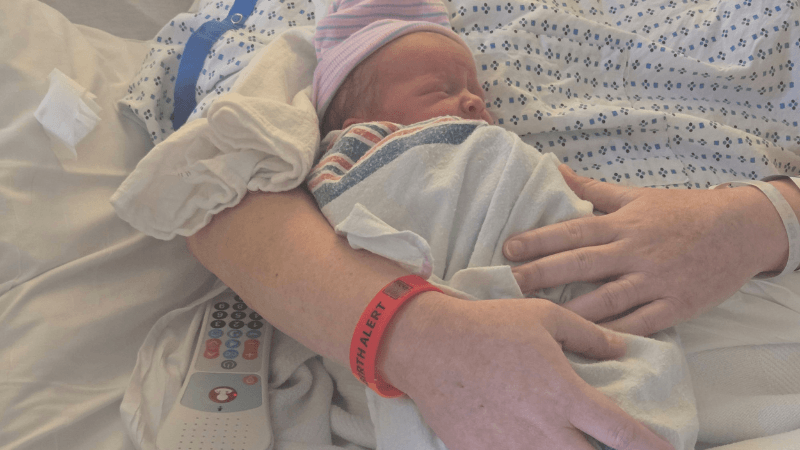
Categories: Press Releases, Bassett News
Tags: Bassett Birthing Center, Bassett Medical Center, Bassett Healthcare Network
Voluntary Program Aims to Promote Maternal Health Postpartum
The Birthing Center at Bassett Medical Center is introducing a new program that aims to provide added peace of mind to families in the weeks after the birth of a baby.
Starting on April 13, 2026, Birthing Center caregivers began offering a silicone wristband to each postpartum patient before they were discharged from the hospital. The wristband, which each patient is encouraged to wear for six weeks after giving birth, is designed to immediately alert any healthcare providers that the wearer is postpartum if they seek medical care during the critical period after they give birth. Participation in this program is completely voluntary.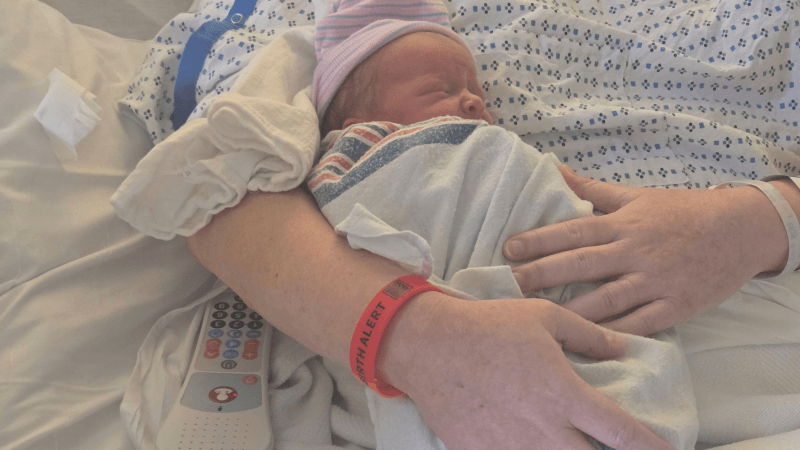
Kaylinn Picente, of Frankfort, NY, was the first new mom to receive a wristband under this program. She gave birth to her daughter, Daniella Antoinette, with husband Dean Picente, on April 20 via a scheduled C section due to being diagnosed with preeclampsia.
"I thought this was a really cool thing when they were explaining to me what it was in the OR. It’s very reassuring, especially with my preeclampsia,” said Kaylinn. “It provides me with comfort knowing this can be scanned and a doctor could get treatment options quickly.”
Daniella weighed 6 lbs. 11 oz. and was 19.75 inches long when she was born. She and her mom are both healthy and happy.
Why This Program Is Important
In the six weeks immediately after giving birth, research shows that new mothers can face a number of health risks. Symptoms like severe headaches, chest pain, shortness of breath, and heavy bleeding can occur and may require urgent medical intervention.
With these wristbands, a postpartum patient experiencing these or other symptoms who arrives at or is transported to an urgent care or emergency room can be immediately identified as someone who has recently given birth. Without this knowledge, the patient is at greater risk of being misdiagnosed or having their treatment delayed.
“These simple identification bands act as a visual prompt, reminding healthcare professionals to consider pregnancy-related conditions during assessment,” said Stephanie Lehenbauer, BSN, RN, CLC, CPS, Manager of the Birthing Center at Bassett Medical Center. “Our initiative aligns with national efforts to reduce maternal complications and improve the continuity of care. For rural hospitals like ours – where patients may seek follow-up care across different facilities and travel long distances for urgent services – these wristbands provide critical clinical context and can improve outcomes.”
When the wristbands are given to new mothers, caregivers explain what they are for, discussing safety and potential warning signs to watch for while encouraging the patient to attend postpartum medical appointments. This conversation is an important educational component of the program, where information is shared and awareness is raised about how important it is for mothers to be mindful about their own health as they care for their new baby.
Bassett Birthing Center’s Mission
The Bassett Birthing Center is committed to maternal safety, providing high-quality care, and leading the way in evidence-based maternal health initiatives, like this wristband program.
Care providers at the Birthing Center aim to provide patients with a family-centered birthing experience, in a safe and caring environment.
During and after pregnancy, Bassett Healthcare Network’s trained maternity care professionals focus on keeping the mother and baby healthy before, during, and after delivery. Prenatal care can include ultrasounds and other tests and screenings to monitor the pregnancy as well as breastfeeding, childbirth, Lamaze, and other obstetrics and maternity care classes.