Platelet Rich Plasma Therapy
Using your body’s own healing power, PRP therapy offers a non-surgical option to treat acute and chronic pain, improve function, and support recovery from muscle, joint, and tendon injuries.
Find a Practitioner
PRP Therapy PractitionersSearch Locations
PRP Therapy LocationsJump to: Conditions PRP Therapy Treats | How PRP Therapy Works | Specialized PRP Therapy at Bassett | Testimonials | FAQs | Request a Referral
Platelet Rich Plasma Therapy at Cobleskill Regional Hospital
Non-Surgical Option for Patients with Muscle or Joint Issues or Injuries
Platelet rich plasma therapy (PRP therapy) is a non-surgical, regenerative treatment that uses patient’s own blood to support healing in muscles, joints, ligaments, and tendons. At Cobleskill Regional Hospital, we offer PRP therapy as an outpatient procedure with minimal recovery time.
Platelet rich plasma injections can be effective in decreasing pain and stiffness, improving physical function, regenerating cartilage, and helping patients who are recovering from muscle, joint, or tendon injuries.
What Conditions Can PRP Therapy Treat?
PRP therapy can be used anywhere on the body, so treatment is tailored to each patient’s needs.
Platelet rich plasma injections can be effective in treating the following conditions:
- Achilles tendinitis
- ACL tears
- Carpal tunnel
- Chronic tendon injuries
- Osteoarthritis (IE: knee, hip, shoulder, ankle, etc.)
- Lateral epicondylitis
- Ligament sprains
- Patellar tendinitis
- Plantar fasciitis
- Rotator cuff tears
Non-Surgical Treatment for Knee and Hip Pain
Platelet rich plasma therapy may be an option for patients with chronic knee pain or hip pain who want to delay or avoid hip replacement or knee replacement surgery. By injecting concentrated platelets directly into the affected area, PRP can help reduce inflammation, improve mobility, and support tissue repair.
Non-Surgical Rotator Cuff Treatment
PRP therapy can also be effective as a rotator cuff treatment, offering treatment for a torn rotator cuff without surgery.
How PRP Therapy Works
PRP therapy is an outpatient procedure that typically involves little recovery time.
After receiving a referral from your primary care practitioner, you will meet with the doctor who will be administering the procedure. Discussions will concern your goals for the therapy, what to expect during and after the treatment, and anything you may need to do to prepare.
PRP therapy has very few contraindications, in which the physician will go over with you at your initial visit to ensure you are an appropriate candidate for this procedure.
On the day of the procedure, you will arrive at the hospital for your appointment and your blood will be drawn. That blood is then processed through a centrifuge machine, a procedure that separates platelets from the blood and concentrates the plasma. The resulting substance is what will be injected during the therapeutic treatment. Platelet rich plasma contains growth factors that have been shown to kick-start the healing process.
Once the PRP is gathered, it is then injected into the area of concern to promote healing. The entire procedure typically takes about one hour.
In the days after the procedure, you may experience some short-term inflammation, swelling, redness, or discomfort in the injection area. This response is expected and can be managed with over-the-counter pain medications, as recommended by your doctor.
Follow-up appointments will be scheduled to monitor the healing progress.
Choose a Doctor with Specialized PRP Therapy Training
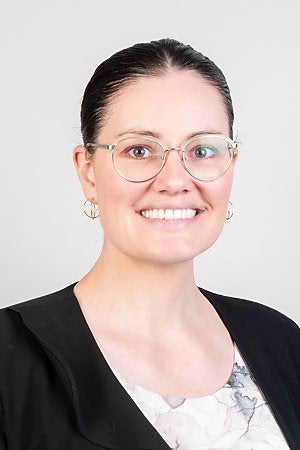
Emma Cronk, MD, CAQSM, is a double-board-certified sports medicine physician who has completed specialized training in PRP therapy. She is currently the only Bassett Healthcare Network physician administering this therapy, which she offers at Cobleskill Regional Hospital.

Meet Dr. Emma Cronk
Double-Board-Certified Sports Medicine Physician with Specialized Training in PRP Therapy
“I truly believe in PRP and what it can do for people in a non-surgical setting. It means a lot to me to have another modality I can provide to my patients here, in addition to steroids, physical therapy, and gel injections. When someone has exhausted all of those options, which happens quite often in orthopedics, the next step could potentially be surgery, which is a big step. Now we have PRP here at Cobleskill Regional Hospital as a new middle step for patients who need relief and healing, but may not necessarily need or want surgery.”
Call your primary care practitioner to request a referral for PRP therapy: 1-800-BASSETT
Testimonials from Bassett PRP Patients
“I tore my Achilles tendon and for years every step I took was painful. I first asked if there was a surgical solution, but my doctor said there was only a 50/50 shot that would work. She recommended PRP and Dr. Cronk decided I was a good candidate. Now after the procedure, I walk around every day with no problems and no pain. Dr. Cronk’s personality really fits the procedure and she does a great job explaining it. My shoulder is in a similar scenario and I’m considering PRP therapy for that as well.”
Wayne, 65, Delhi

“I have had problems with my right knee for probably about four years now and recently my left knee started to have the same problem. I tried cortisone shots, but the relief that provided was temporary. I also tried gel, but it didn’t work for me. I started to see Dr. Cronk for cortisone and she suggested PRP. I’m currently only six weeks from the procedure and already my knees feel stronger. I can actually stand on one leg now without feeling wobbly and I can walk up and down stairs like a normal person. Mobility was my big motivator.”
Michelle, 74, Sharon Springs
“When I met Dr. Cronk, I liked the way she listened. She was very thorough about the pros and cons of what to expect. My arthritis was getting worse and I was dealing with mobility issues and pain. After seeing in the Times-Journal newspaper that Cobleskill Regional Hospital was offering PRP, I went online to find research and was pretty impressed. With this, we heal our bodies by using elements from our bodies and I think that’s a major step in the right direction from the medical profession and for all people dealing with pain. It’s natural healing rather than a quick fix. I’ve had reduction in the severity of the pain and how frequently it comes on. I can’t wait to see what’s next.”
Dave, 70, Middleburgh
“A big reason why I chose PRP is the short procedure and recovery time. With surgery, I would have had to be off work for months. For this, the procedure only took around an hour and I was only off work for one week, since I had some pain afterwards. Before the procedure, I was in severe pain and I’m not anymore. I would definitely recommend PRP to others.”
Saramma, 51, Oneonta
Frequently Asked Questions (FAQs) About PRP Therapy
PRP therapy, also known as platelet rich plasma injections, is a state-of-the-art orthopedic regenerative treatment that uses concentrated platelets from your own blood to help reduce pain and support healing in injured muscles, joints, ligaments, and tendons.
No, PRP therapy is a non-surgical, outpatient procedure. Most appointments take about one hour, and patients return home after the procedure. Patients do not need a driver and can safely drive home.
PRP therapy is commonly used for Achilles tendinitis, ACL tears, carpal tunnel, chronic tendon injuries, osteoarthritis (IE: knee, hip, shoulder, ankle, etc.), lateral epicondylitis, ligament sprains, patellar tendinitis, plantar fasciitis, and rotator cuff injuries. It may be an option for patients seeking treatment for a torn rotator cuff without surgery.
Blood is drawn and processed in a centrifuge to concentrate the platelets within your own plasma, creating a solution with a much higher number of healing factors than normal blood. The platelet-rich plasma is then injected into the area of concern to promote healing and tissue repair.
Most patients experience mild discomfort during the injection and temporary soreness afterward. Short-term inflammation is expected and typically resolves within a few days. This can be managed with over-the-counter pain medications, as recommended by your doctor.
Recovery time is minimal after PRP therapy. Patients may experience swelling or soreness for a few days. Your doctor will provide guidance on activity levels and follow-up care.
Yes, a referral from your primary care practitioner is required before scheduling a PRP therapy consultation.
PRP injections are paid for out-of-pocket and are not, at this time, covered by medical insurance.
As of January 2026, the current out-of-pocket costs are as follows:
- $700 for injecting one area of concern (IE: knee joint only)
- $850 for injecting two areas of concern (IE: hip joint and Achilles tendon)
At Bassett Healthcare Network, PRP therapy is currently offered exclusively at Cobleskill Regional Hospital.
Free patient parking is available on-site at Cobleskill Regional Hospital.
Request a Referral for PRP Therapy
PRP injections are an emerging treatment that have proven effective for many patients. To explore whether they may be right for you, contact your primary care practitioner at 1-800-BASSETT to learn more and request a referral. Please be advised that PRP therapy comes with out-of-pocket costs.
Bassett Healthcare Network delivers platelet rich plasma therapy at Cobleskill Regional Hospital in Cobleskill, NY.
Related Services:
Orthopedics | Sports Medicine | Hip Pain | Hip Replacement | Knee Pain | Knee Replacement
Related Providers
Related Locations
Hospitals
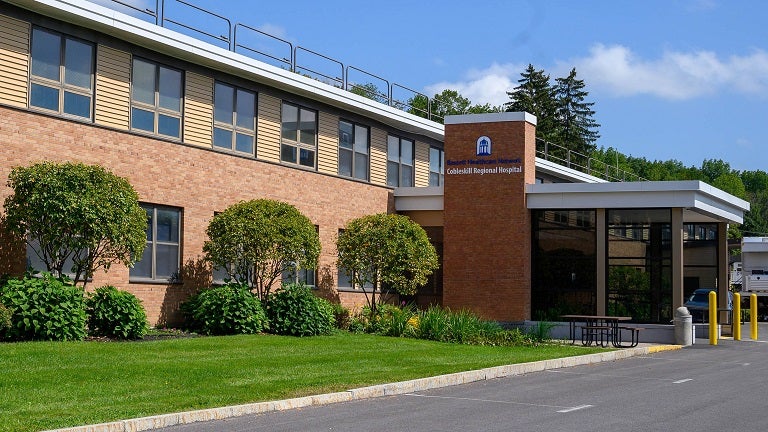
Cobleskill Regional Hospital
178 Grandview Drive - Cobleskill, NY 12043