How to Give Your Diet Some Heart-Healthy Love – by Lisa Roman, RD, CDN, Dietitian at O’Connor Hospital
February 25, 2026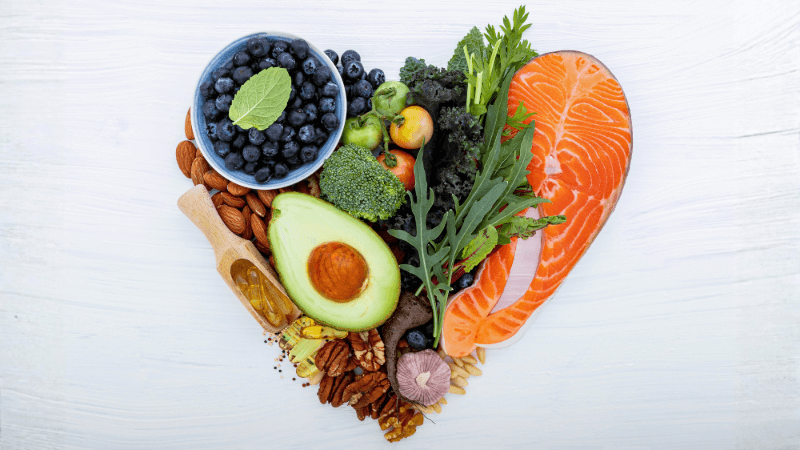
Categories: Bassett News
Tags: Nutrition, Bassett Heart Care Institute, Cardiology, Bassett Healthcare Network, Bassett News
This American Heart Month, I want to invite you to take a closer look at what you have in your refrigerator and pantry. What we each choose to eat and drink can have a major impact on our cardiovascular health.
Having a heart-healthy diet and lifestyle can be key to preventing or managing heart disease and the good news is, this kind of eating doesn’t have to be one-size-fits-all. Plenty of delicious options are still on the table.
Making changes to eating habits can be hard, so it’s important to be kind to yourself. Remember, each small substitution and every better decision makes a difference and can be a step towards the next positive choice. It all starts with being more mindful when grocery shopping and meal planning.
Add Color to Your Plate
Fruits and vegetables provide our bodies with needed vitamins and minerals. They are also rich in fiber, low in calories, and some even come with added heart benefits.
Here are some examples:
- Leafy greens like spinach and kale are packed with healthy nitrates and are naturally high in nutrients like potassium, magnesium, and fiber that can help reduce high blood pressure.
- They also contain vitamin C and other antioxidants that inhibit the reaction that creates harmful N-nitroso compounds. In fact, diets that include nitrate-rich vegetables have been associated with lower rates of cancer, including stomach cancer.
- Tomatoes are high in lycopene, which can help lower bad (LDL) cholesterol.
- Bananas are an excellent source of potassium, a mineral that, among other things, can regulate heart function.
- Citrus fruits, like oranges and grapefruits, are rich in vitamin C, which may reduce stroke risk along with its other benefits.
The key is to eat a wide variety of fruits and vegetables so you are fueled with all of the vitamins and minerals you need to stay healthy. You don’t want too much or too little of any of them. Variety is the key because there is no perfect food containing all nutrients.
A simple way to accomplish this is to strive to eat the rainbow. Pick fruits of each color and lots of green veggies when you’re sitting down for a meal and or grabbing a snack.
Choose Good Fats and Whole Grains
Saturated fats, often found in red meat, full fat dairy products like butter and cheese, and many processed foods can increase bad cholesterol, which also increases heart disease risk.
These fats do not need to be cut out altogether. However, many people eat them too often. The American Heart Association recommends limiting saturated fats and avoiding trans fats. The recommendation is to consume less than 6% of total calories from saturated fat. If you need about 2,000 calories a day, no more than 120 calories from them should come from saturated fat. That’s about 13 grams or less of saturated fat per day. If you have high cholesterol, high blood pressure, heart disease, diabetes, or other medical concerns, speak to your healthcare provider for further guidance as you may be advised to eat a different amount.
Try to fill your fridge and cupboards with sources of healthy fats instead. Omega-3 fatty acids, monounsaturated fats, and polyunsaturated fats can help lower bad cholesterol or help you maintain good (HDL) cholesterol.
Consider adding more fatty cold-water fish, like salmon, to your diet and snacking on nuts like walnuts, almonds, or pistachios instead of going for processed foods. You could also substitute healthy oils, like olive oil or canola oil, for less healthy alternatives.
Whole grain products are much better for our heart health than refined grain products. They are better sources of fiber and have a lower glycemic index, meaning they have less of an impact on blood sugar levels. Simply swapping out white bread for whole grain bread can make a difference in your health.
Watch Your Salt and Get Active
Adding salt with your salt-shaker and eating processed foods can quickly add up. Skip the salt and eat more of a variety of fresh foods for optimum nutrition instead of processed.
We also cannot emphasize enough the importance of being physically active when it comes to heart health. Speak with your healthcare provider to find out what activity and how much of it is best for you. Remember, it’s crucial that you stick to your activity plan on a regular basis for optimum long-term heart health benefits, as well as many other health benefits. Find activities you enjoy – because if you don’t like what you’re doing, you won’t stick to it.
Reach Out If You Need Support
Talk to your healthcare provider or ask them about seeing a dietitian in your community. Dietitians are available within Bassett Healthcare Network for outpatient nutrition counseling.

About the Author
Lisa Roman, RD, CDN, is a Registered Dietitian at Bassett Healthcare Network’s O’Connor Hospital who works in outpatient nutrition as well as clinical nutrition. She promotes healthy eating combined with activity in a balanced way for everyone’s individual lifestyle and needs.