Childhood Vaccination Prevents Serious Illness and Saves Lives – by Dr. Chris Kjolhede, Pediatrician
January 20, 2026
Categories: Bassett News
Tags: Let's Talk About It, Pediatrics, Bassett Healthcare Network, Bassett News
On January 5, 2026, The Centers for Disease Control and Prevention (CDC) announced changes to federal guidance on childhood vaccines, reducing the number of childhood vaccines that were universally recommended from 18 to 11. This change may be confusing to parents and that is understandable.
The MMR (measles, mumps, and rubella), polio, pertussis, tetanus, diphtheria, Haemophilus influenzae type B (Hib), pneumococcal disease, human papillomavirus (HPV), and varicella (chickenpox) vaccines remain universally recommended, while the federal government is scaling back its recommendations that children receive vaccines for rotavirus, hepatitis A, hepatitis B, meningitis, RSV, and COVID. These vaccines currently remain available and are covered by most insurance plans.
The New York State Department of Health is not making any changes to its existing childhood vaccine policies or recommendations. New York State Health Commissioner Dr. James McDonald writes, "There was no new science, safety data or discovery presented by the federal government. New Yorkers can continue to be confident that vaccines offer the best protection from preventable childhood diseases."
Sudden announcements and flashy news headlines can make us all pause, question, and rethink what’s best for our families. The best thing any of us can do when we’re unsure of something is to seek out someone with knowledge and experience in that area. Your pediatrician is ready to offer their advice, grounded in medical training and scientific knowledge, to help you make the best decisions for your family. We are your neighbors and your friends.
Let’s talk about each of the vaccines that are no longer universally recommended by the CDC and the diseases against which they provide protection. The American Academy of Pediatrics and New York State Department of Health – as mentioned above – do continue to recommend these vaccines.
What is Rotavirus?
Rotavirus causes intestinal symptoms, including vomiting, belly pain, and severe diarrhea. In fact, this virus is the most common cause of diarrhea in infants and young children worldwide. It’s extremely common and highly contagious.
A child who is vaccinated against rotavirus is likely to avoid getting sick at all, but in some cases, if the child does become sick the vaccine will significantly reduce the virus’ duration and severity (this is similar to the way the flu vaccine works). A child dealing with a severe case of rotavirus might be sick for as long as eight days and with such a long duration of intestinal distress, they run a risk of serious dehydration.
I can speak to this not only as a doctor, but as a father. Before the rotavirus vaccine was broadly available, my infant son was hospitalized with rotavirus. He required IV fluids to address the dehydration his tiny body was experiencing. Thankfully, he did make a full recovery, but if the vaccine were available then, our family could have been protected from this hardship.
The rotavirus vaccine is given in two or three doses, depending on the vaccine used. It is not given as shots, but as drops put in the infant’s mouth. The vaccine is administered this way for a reason. It mimics the way the virus is transmitted.
What is RSV?
Respiratory syncytial virus (RSV) infects the lungs, throat, nose, and breathing passages. It can cause serious respiratory distress in infants. In the U.S., RSV is the most common cause of hospitalization in children younger than one year old.
RSV typically spreads in the fall and winter and has symptoms similar to the flu or COVID. It can be difficult to tell the difference in some cases. In young infants the only sign that something is wrong before breathing trouble starts might be extra fussiness or less activity.
Infants can be protected from RSV if their mother received the RSV vaccine while she was pregnant. The protection is passed on to the infant in the womb. The RSV vaccine is also recommended for adults who live in a communal setting such as a nursing home, or who are 75 or older, or who have certain chronic health conditions.
What are Hepatitis A and B?
Hepatitis A and B are viruses that attack the liver causing an infection which can lead to liver damage or liver cancer. Our liver is a vital organ that filters toxins out of our blood. It also helps with digestion of food, stores energy, and makes proteins and clotting factors that help to keep the body working well.
Hepatitis A is typically a foodborne or waterborne, short-term infection, while Hepatitis B, which is typically spread through bodily fluids, can become a chronic disease that a person who is infected must manage for the rest of their life.
From 1991 to December 2025, the CDC recommended that a birth dose of the hepatitis B vaccine be administered to all newborn babies before they went home from the hospital. That recommendation resulted in an astounding 99% decline in reported acute cases of hepatitis B among children, teens, and young adults.
You can read much more about the history of the universal birth dose of the Hepatitis B vaccine in this article, written by my Bassett colleague, Dr. Nicole Betancourt.
What is Meningitis?
Meningitis is an infection of the tissues that surround the brain and spinal cord and is caused by several viruses and bacteria. Meningococcal bacteria is primarily spread through close personal contact. Even with treatment, as many as 1 in 6 people who become sick with meningococcal disease will die from it and out of the survivors 1 in 5 may suffer a serious, lasting complication from it, such as hearing loss, kidney damage, or brain damage.
In 2024, the U.S. saw its largest number of confirmed and probable cases of meningococcal disease reported since 2013. That’s according to data from the CDC.
Meningococcal vaccines are typically given to preteens and teens before they go off to college and move into dorms with other students. However, they can also be given to younger children or adults if they are at increased risk of contracting the disease. All military recruits are given meningococcal vaccine due to the close contact they have with others while living in barracks.
Why You Might Want to Consider the COVID and/or Flu Vaccine for Your Child
We are all familiar with the flu, COVID, and the negative impact that getting sick with either one can have on our lives and our kids’ lives. The fever, cough, runny noses, sore throats, fatigue, and aches that come with these viruses can range from mild to severe.
This year’s flu season has been record-breaking in a bad way – New York State reported both the highest number of flu cases ever in a week and the highest number of flu hospitalizations ever in a week.
Flu and COVID viruses mutate and change. These changes can happen quickly, even during a single winter season. This is what makes the vaccine less than 100% effective and the reason why it is recommended that we all get this vaccine each year while we receive other vaccines only once. Less than 100% protection is still better than not being immunized at all.
The vaccines have been proven to help prevent illness or reduce the duration and severity of symptoms. You can read much more about the latest COVID-19 guidance from Bassett’s Chief of Pediatrics, Dr. Brandon Greene, in this article.
Let’s Talk About It
The vaccines that are available to you and your family have been proven safe and effective through research, multiple phases of clinical trials, the rigorous FDA approval process, regulatory review, quality control during the manufacturing process, and post-marketing surveillance.
Your doctors, pediatricians, nurses, and caregivers have committed their professional lives to keeping you and your family healthy. We would never recommend a vaccine – or any medical intervention for that matter – that we wouldn’t recommend for our own children or family members. If you have questions, we are ready to listen. We want to be your partners as you make the best health choices for your children.

About the Author
Chris Kjolhede, MD, MPH, is an Emeritus Pediatrician for Bassett Healthcare Network. Dr. Kjolhede was a practicing pediatrician for 30 years and was formerly co-director of Bassett’s School-Based Health Program. He graduated from Michigan State University’s College of Human Medicine, completed residencies in pediatrics and child and adolescent psychiatry at Strong Memorial Hospital in Rochester, NY, and earned a master’s degree in public health at Johns Hopkins University in Baltimore, MD.
Related Providers
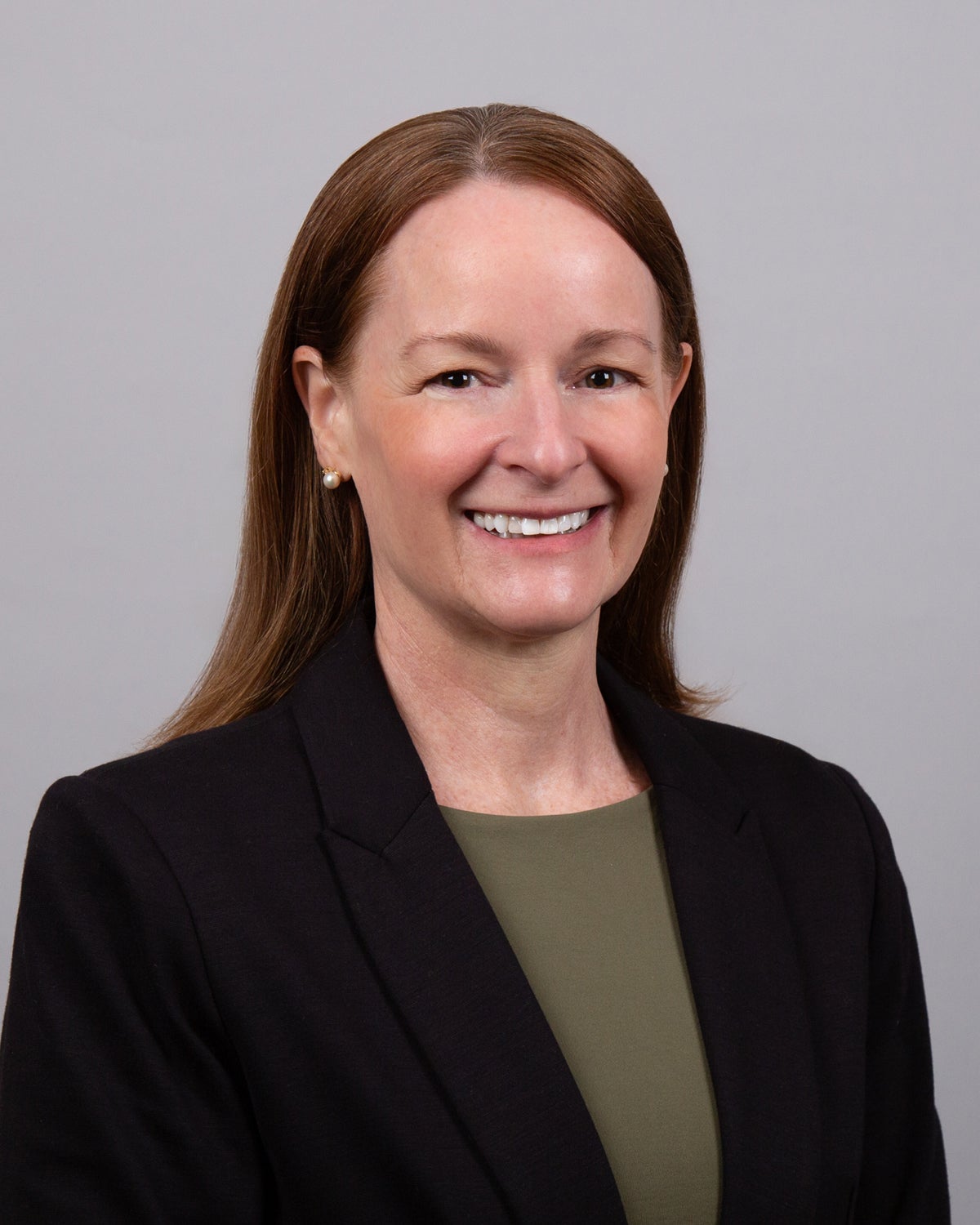
Sandra Tranvaag, FNP
Pediatrics +1 more
Offers Virtual Visits

Phoebe Fisher, FNP-C
Pediatrics +1 more
Offers Virtual Visits