"A Blood Pressure Screening on My Lunch Hour May Have Saved My Life"
February 19, 2026Carol Boulay was on her lunch break in the cafeteria at A.O. Fox Hospital last spring when she noticed Employee Health had set up a table offering free blood pressure screenings.
Carol, who has worked at Fox for nearly 10 years, first as a cook and now as a dietary aid, wandered over. “I hadn’t checked my blood pressure in a long time,” she says. “In fact, I hadn’t been to the doctor in years.”
Carolyn Crosby, RN, and Ashley Groat, LPN, Fox’s Employee Health team, informed her that May was National High Blood Pressure Awareness Month. Carol sat down and they fit the cuff around her arm. After taking the reading, the result was shocking – her blood pressure was 189 over 90.
“They had me wait five minutes and we checked it again,” she says. “The reading was the same.” A blood pressure reading in that high range is classified as stage two hypertension. It requires immediate medical attention.
“I was blown away,” says Carol. “I didn’t feel anything. No symptoms at all.”
Fox’s Employee Health team provided counseling and set her up for weekly blood pressure readings right in the hospital Employee Health office. “They were very concerned and scooped me into their care quickly,” she reflects. “I didn’t have a doctor. So, they got me established with a new primary care practitioner at FoxCare Center.”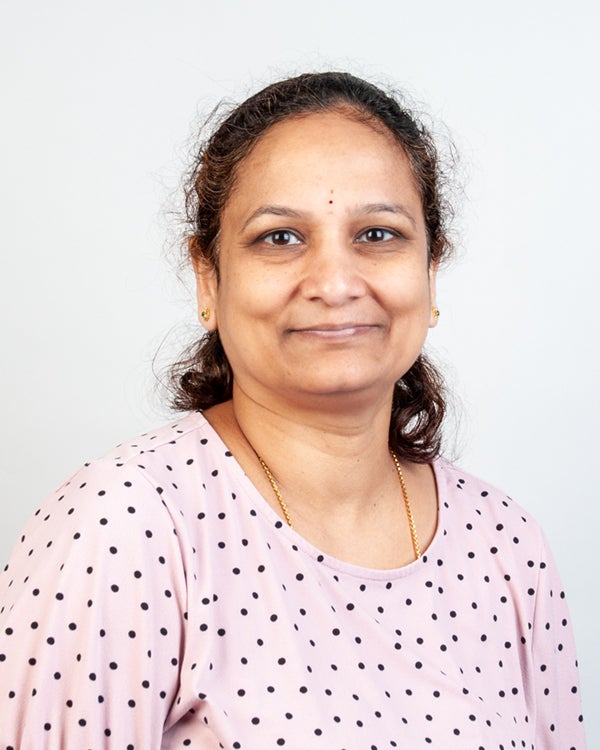
Carol met with Amulya Pingali, FNP, a family nurse practitioner at Oneonta Family Practice. “Carol’s blood pressure was extremely high,” recalls Amulya. “She needed immediate intervention to help lower her readings. She also needed to make some lifestyle changes for her health.”
High blood pressure is described as a “silent killer.” Most people have no symptoms, and the condition can hide beneath the surface for months or years. Left untreated, it significantly increases a person’s risk of serious and life-threatening complications like heart attack, stroke, blood clots, and kidney damage. The only way to know your blood pressure is to get checked.
“High blood pressure is just what it sounds like – when the blood force against artery walls is too high,” says Amulya. “Normal blood pressure is generally 120 over 80. Blood pressure is determined by how much blood the heart pumps and how hard it is for blood to move through the arteries.”
Eventually, consistently high blood pressure can cause symptoms like chest pain, shortness of breath, back pain, numbness, weakness, changes in vision, and difficulty speaking. This is called a hypertensive emergency.
Understanding Blood Pressure Numbers
Blood pressure is recorded using two numbers – a top/upper number and bottom/lower number. The top number is called systolic (sis-tahl-ick) blood pressure. It measures the pressure of your blood pushing against your artery walls as your heart beats. The bottom number is called diastolic (dye-uh-stahl-ick) blood pressure. It measures the pressure of your blood pushing against your artery walls while the heart rests between beats.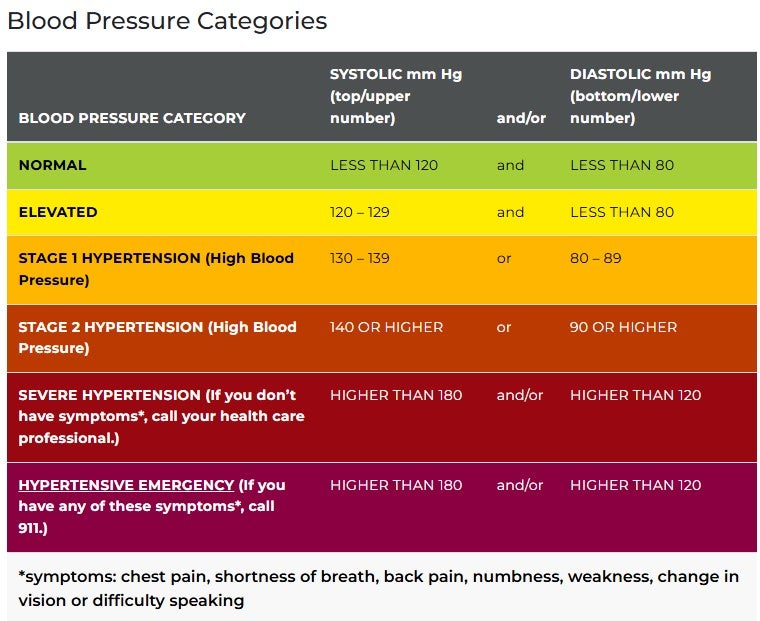
Which number is more important?
Both numbers are important markers that help tell a story about how well a person’s blood is pumping. But the top number can be especially helpful in addressing cardiovascular disease risk in people over 50 – rising levels can indicate arteries have stiffened due to age and other factors.
For Carol, beginning a management plan right away was crucial. Preventing and managing high blood pressure begins with lifestyle choices like eating a healthy diet, getting regular exercise, and not smoking.
“I knew I had to make some changes, and that is not easy,” Carol says. “I’m a longtime smoker and my eating habits are a bit all over the place. I also can’t tell you the last time I had a glass of water. I like my coffee.”
Choosing a Healthier Path
Carol has added flavored water to her beverage list daily. She has also adjusted how she eats, bringing her weight down. Mostly, she has changed how she deals with stress at work and in life by focusing on the things that bring her joy, including her children, Sasha, Amber, and Austin. Her happy place is her log cabin in the woods on “Easy Street,” with her beloved pets and chickens.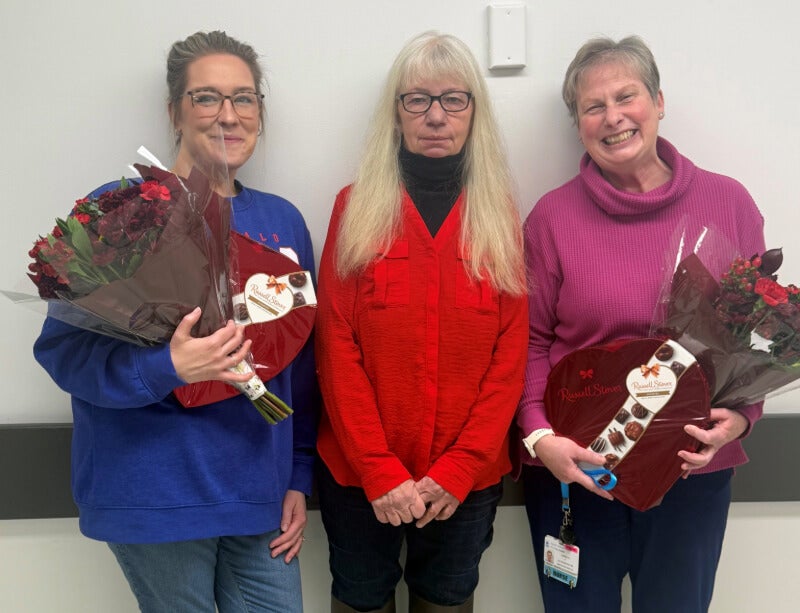 Carol will continue to work on other health concerns that come with age and bad habits. She works hard every day at Fox with her work partner, Trish. Carol is a big believer in sayings. “Some of my favorites are, ‘Look at what you have, not what you don’t have,’” she says. “’Things happen for a reason – we just need to figure out why.’ And ‘if life gives you lemons, make lemonade.’”
Carol has been visiting Employee Health several times a week between visits with Amulya. Over the course of nine months, her blood pressure has dropped significantly. Today, it is consistently in the mid-120s to 130 over 65 to 70.
“This has been a real wake-up call,” Carol says. “I owe it to my friends Carolyn and Ashley in Employee Health. They have been by my side through it all. By setting up a table in the cafeteria that day, they may well have saved my life. I’m so grateful to them for everything they do. Employee Health supports caregivers across our network in more ways than many people know.”
Pictured from left: Ashley Groat, LPN, Employee Health Nurse; Carol Boulay; and Carolyn Crosby, RN, Employee Health Nurse, are pictured at A.O. Fox Hospital on February 6 after Carol delivered flowers and treats.
Carol’s journey is ongoing. “I am on a much better path,” she says. “Having high blood pressure doesn’t always cause warning signs. But left unchecked, it can be deadly. Your health is precious. Know your numbers.”
Learn more about blood pressure and your health from the American Heart Association.