Bassett Research Institute and Cornell University Find Evidence That School-Based Health Centers Significantly Reduce Absenteeism
July 8, 2025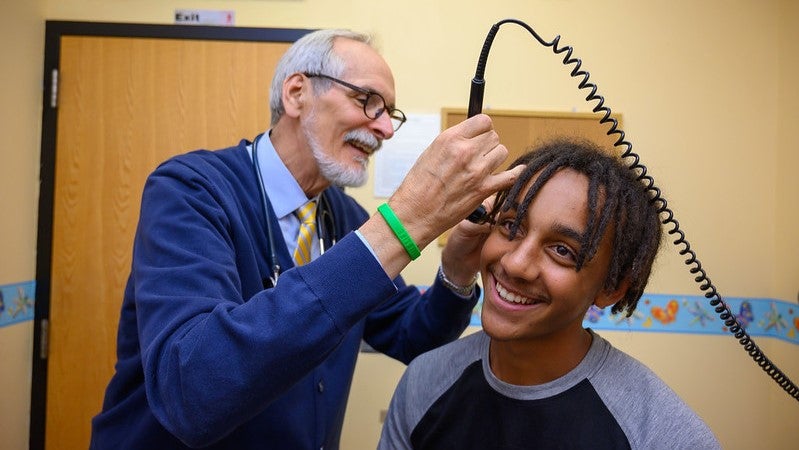
School-Based Health Program Benefits School Districts Across Bassett's Central New York Service Area, Where 60% of Pediatric Patients Rely on Medicaid.
In a paper published by the American Medical Association earlier this spring, researchers from Bassett Research Institute and Cornell University found that students in grades K-12 attending schools with school-health centers were at lower risk of chronic absenteeism. This correlation between school-based health centers and absenteeism was even more pronounced in elementary schools, in schools with high rates of student poverty, and in communities with greater wealth.
Although missing school is necessary during certain types of illness, chronic absenteeism, or missing more than 10% of school days, is associated with poor academic achievement and lower rates of graduation. To give students a greater chance to succeed, educators and child healthcare practitioners alike want to limit absences to only the times when it is necessary.
“Any population-based study like this is complex and includes lots of factors,” explains Chris Kjolhede, MD, MPH, emeritus Bassett pediatrician and one of the study’s three authors. “Still, we have some ideas about what some of the connections may be.”
“Access to school-based health centers seems to make the biggest difference among younger kids who get a lot of viral illnesses while they naturally build immunity," Dr. Kjolhede continued. "When a child has sniffles, parents have to make a call – to send them to school or not. If there’s a school-based health center, we help keep the kids in school. We don't send them home if they just have a simple viral illness. We teach them how to blow their nose, wash their hands, and ensure that they drink lots of fluid.”
Previous studies have established a correlation between absenteeism and poverty. Given the high proportion of students in school-based health that depend on Medicaid for their health insurance, family economics may also contribute to the correlation with absenteeism. Across Bassett Healthcare Network's service area, approximately 60% of pediatric patients are insured by Medicaid.
“If a parent can’t afford a day off from work, or relies on the bus to get to work, picking up a sick student midday may not be an option,” says Dr. Kjolhede. “Leaving them at home during the day may be the only viable option for them.”
Bassett’s 22 school-based health centers provide safe, private, comfortable medical, dental, and mental healthcare to students from pre-kindergarten through 12th grade. Bassett's School-Based Health Program serves students in 18 school districts across four counties in Central New York. More than 7,000 students are enrolled across the region. Bassett's school-based health services are available to all students enrolled in participating districts regardless of income, with no out-of-pocket costs to any student or family.
“School-based health centers don’t just happen,” explains Dr. Kjolhede. “A school district and the community must decide whether it is worth the start-up costs. Parents decide later whether to enroll their students. In order to provide services at no out-of-pocket cost to families, we rely on grants and charitable donations to cover the difference between the actual costs and reimbursements from private insurance and Medicaid. Donors have to weigh whether this is impactful giving. This robust study gives evidence to all those parties that, yes, this is going to improve things for our students.”
“School-Based Health Centers and School Attendance in Rural Areas” is available on the American Medical Association’s open access medical journal JAMA Network Open. It is authored by two Bassett Healthcare Network caregivers – Chris Kjolhede, MD, MPH, and Wendy Brunner, PhD – and John W. Sipple, PhD, of Cornell University.
 |
 |
|
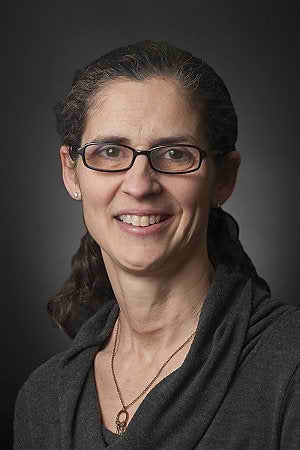
Wendy Brunner, PhD |
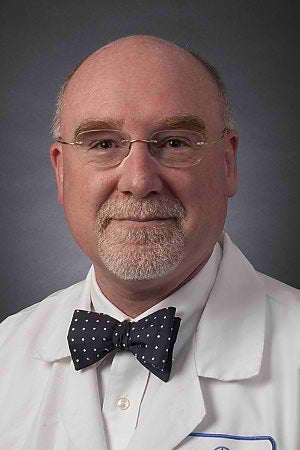
Chris Kjolhede, MD, MPH |
Related Providers
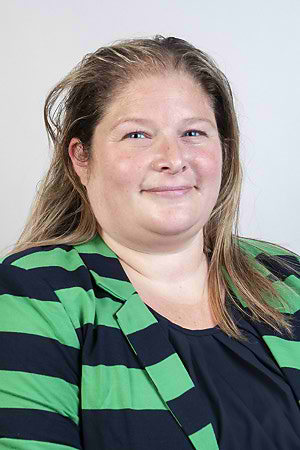
Sandra Tranvaag, FNP
Pediatrics +1 more
Offers Virtual Visits
Douglas H. Cannon, MD
Pediatrics +1 more
Offers Virtual Visits